GraphQL vs. REST vs. gRPC: The Ultimate API Showdown for Modern Apps
Hey, fellow backend engineers, full-stack devs, and technical product managers — if you’ve ever stared at a slow frontend or a bloated microservices mesh wondering why your API feels like it’s from 2015, you’re not alone. Choosing between GraphQL vs REST vs gRPC isn’t just a tech debate; it’s a decision that hits API performance, developer velocity, and your bottom line.
I’ve shipped production APIs using all three. REST got me through early startups. GraphQL saved a dashboard project from death by over-fetching. gRPC became my secret weapon for internal services that needed to scream at scale. Today we’re doing the ultimate showdown: real-world tradeoffs, not buzzword bingo.
Let’s cut through the noise.
GraphQL vs REST vs gRPC: Head-to-Head Comparison
Before we dive into code and case studies, here’s the no-fluff comparison table every technical decision-maker needs.
| Feature | REST | GraphQL | gRPC |
|---|---|---|---|
| Architecture | Resource-based, multiple endpoints | Schema-first, single endpoint | Contract-first, RPC-style |
| Data Fetching | Fixed responses → over/under-fetching | Client-driven, exact data you need | Strict messages, no client-side flexibility |
| API Performance | Good with caching, multiple round-trips | Excellent for complex queries, N+1 risk | Blazing fast (HTTP/2 + Protobuf) |
| Microservices Communication | Works but chatty | Not ideal internally | Built for it — streaming, bidirectional |
| API Design Patterns | Mature (HATEOAS, versioning headaches) | Flexible but schema evolution required | Strict versioning via Protobuf |
| Client Support | Universal (browsers love it) | Great for web/mobile | Best for backend-to-backend |
| Error Handling | HTTP status codes | Custom errors in response | Native status codes + rich metadata |
| Bandwidth | JSON text → larger payloads | Precise JSON → smaller | Binary Protobuf → tiniest |
| Learning Curve | Low | Medium (queries + resolvers) | Steeper (Protobuf + codegen) |
Key takeaway: REST is the reliable old truck. GraphQL is the Swiss Army knife for clients. gRPC is the Formula 1 car for internal lanes.
Minimal Request/Response Code Comparison
Here’s how a simple “fetch user by ID” looks in each style (real syntax-highlighted snippets you can copy-paste):
// REST - GET /users/123
GET /api/users/123 HTTP/1.1
Host: api.example.com
Accept: application/json
Response (over-fetching example):
{
  "id": 123,
  "name": "Ayesha Khan",
  "email": "[email protected]",
  "phone": "+8801712345678",
  "address": "...",
  "createdAt": "2025-01-15"
}
// GraphQL - POST /graphql
query GetUser($id: ID!) {
user(id: $id) {
name
email
}
}Response (exact fields only):
{
  "data": {
    "user": {
      "name": "Ayesha Khan",
      "email": "[email protected]"
    }
  }
}
// gRPC - .proto definition + client call (Go example)
message GetUserRequest {
string user_id = 1;
}
message UserResponse {
string name = 1;
string email = 2;
}
// Client stub (auto-generated)
userClient.GetUser(ctx, &GetUserRequest{UserId: "123"})Response: Binary Protobuf — under 100 bytes, blazing fast.
See the difference? REST wastes bandwidth. GraphQL gives control. gRPC gives speed.
Case Study 1: REST – The E-commerce Workhorse (Daraz Bangladesh)
A mid-sized e-commerce platform in Dhaka used pure REST for their public API. Multiple endpoints (/products, /orders, /users) served their React Native mobile app and partner integrations.
What worked: Caching with Redis was dead simple. HTTP status codes made debugging easy. Third-party developers loved the predictable URLs.
Tradeoff pain: Mobile users on spotty 4G connections in rural Bangladesh complained about 6–8 round-trips per product page. Over-fetching added 40% extra payload.
Result: Solid 99.9% uptime, but frontend devs spent weekends optimizing queries. Classic REST reality.
Case Study 2: GraphQL – Flexible Frontend Magic (Fintech Dashboard)
A Chattogram-based fintech startup built a real-time investment dashboard. They switched from REST to GraphQL (Apollo Server + React).
Win: One query fetched portfolio + market data + risk metrics — exactly what the UI needed. No more “please add this field to the endpoint” tickets.
Tradeoff: They hit the N+1 problem hard in month two. Fixed it with DataLoader, but it added complexity. Caching was trickier than REST.
Result: Frontend velocity doubled. API calls dropped 65%. Their technical product manager called it “the best developer experience upgrade of 2025.”
Case Study 3: gRPC – Microservices That Actually Scale (Logistics Platform)
A logistics company running 40+ microservices across Singapore and Bangladesh data centers chose gRPC for internal communication (Kubernetes + Go services).
Win: Binary payloads + HTTP/2 multiplexing slashed latency from 180ms to 22ms between services. Bidirectional streaming handled real-time shipment tracking perfectly.
Tradeoff: Not exposed to external clients (they kept REST/GraphQL gateways). Browser support is zero without proxies.
Result: Handled 10x Black Friday traffic with zero sweat. API performance metrics improved dramatically.
When to Choose: My Opinionated Take
- Choose REST when you need broad public APIs, simple CRUD, or maximum ecosystem support. It’s boring but battle-tested.
- Choose GraphQL when your clients (mobile/web) are data-hungry and you want to ship features fast without backend changes. Perfect for product-led growth teams.
- Choose gRPC for anything internal, high-throughput, or microservices-heavy. If your services talk to each other more than to users, gRPC wins on API performance every single time.
Bold truth: Most modern apps should use a hybrid. REST or GraphQL externally, gRPC internally. Stop forcing one tool to do everything.
Quick Pro Tips for Production
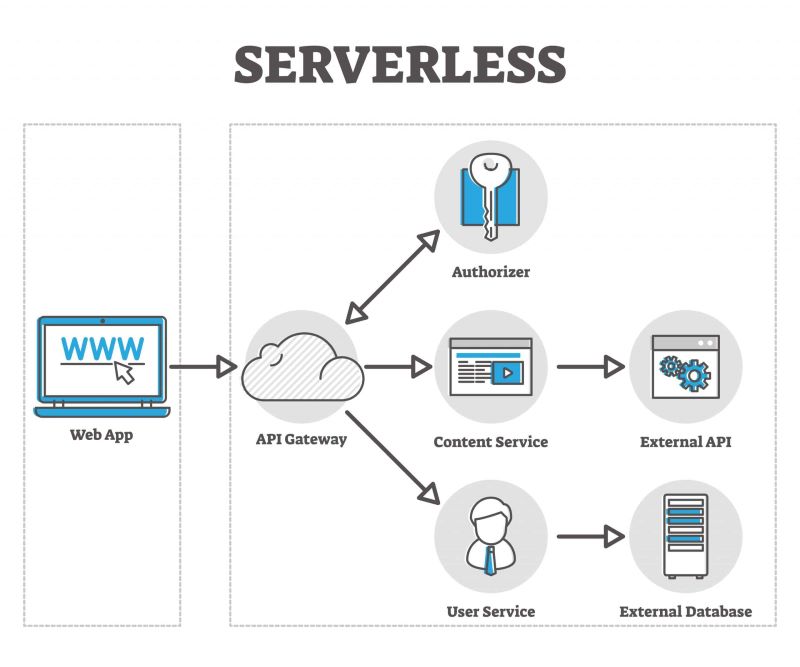
- Always add API gateways (Kong or Apollo Router) — they let you expose GraphQL/REST while keeping gRPC blissfully internal.
- Monitor like your bonus depends on it — use OpenTelemetry + Prometheus. Track latency, error rates, and payload sizes per technology. You’ll thank me during your next outage.
Latency & Infra Cost Considerations for Teams in Bangladesh
Teams in Chattogram (like many of you reading this) face unique realities: variable mobile networks, higher latency to Singapore or Mumbai AWS regions, and power/internet fluctuations. Here’s the practical lens:
Evaluate infra costs by comparing AWS Mumbai vs. Singapore regions — Mumbai often saves 15–25% on egress while cutting latency by 30–50ms for Bangladeshi users. GraphQL shines here because fewer round-trips mean less impact from spotty 4G/5G. gRPC’s binary format keeps costs low on data transfer, but test HTTP/2 head-of-line blocking on local ISPs. REST is cheapest to operate initially but scales poorly in bandwidth-constrained environments. Run a two-week latency spike test with real devices in Chattogram before committing.
Practical Migration Checklist
Ready to switch? Follow this 8-step checklist:
- Audit current pain points (over-fetching? latency? versioning hell?)
- Map use cases — external clients vs internal services
- Prototype the top 3 endpoints in the new tech
- Measure API performance before/after (use k6 or Artillery)
- Update client SDKs and documentation
- Set up monitoring + fallback endpoints
- Train the team (one-hour lunch-and-learn works wonders)
- Roll out with feature flags — never big-bang
Suggested Long-Tail Subheadings for SEO
- GraphQL vs REST vs gRPC: Which Wins for API Performance in 2026?
- GraphQL vs REST vs gRPC for Microservices Communication – Real Tradeoffs
- Best API Design Patterns: REST, GraphQL or gRPC for Modern Apps?
Internal linking suggestions:
- Link “API design patterns” to your existing
/api-design-patternspost - Link “microservices communication” to
/building-scalable-microservices - Link “GraphQL performance” to
/graphql-n-plus-one-solutions
FAQ
Q: Is GraphQL replacing REST?
A: No. GraphQL is better for client-heavy apps, but REST remains king for simple public APIs and caching.
Q: Which is fastest for microservices?
A: gRPC wins on raw API performance and microservices communication. Use it internally.
Q: Can I use all three together?
A: Absolutely. Most mature stacks do exactly that — and it’s often the smartest move.
Conclusion & Recommendation
The “GraphQL vs REST vs gRPC” debate doesn’t have a single winner — it has the right tool for the right job. REST for stability, GraphQL for flexibility, gRPC for speed.
My recommendation: Start with GraphQL for any new customer-facing API in 2026. Layer gRPC for your service mesh. Keep REST only where ecosystem demands it.
You now have the practical playbook. Pick one, measure everything, and ship faster.
What’s your current API stack? Drop it in the comments — I read every single one.